Use cases of AI and automation for sales and marketing teams
The practical plays that score leads, personalize outreach, and optimize campaigns, so your team grows revenue with less manual work.
 By Ishan Vats · Founder of IV Consulting · builds AI agents & automations for 150+ teams
Some links below are affiliate links. If you buy through them we may earn a commission, at no extra cost to you.
 CRMHubSpot
 PipelineSalesforce
 OutreachPipedrive
 EmailKlaviyo
 GlueMake
AI and automation help sales and marketing teams do more with the same headcount. On the sales side that means lead scoring, forecasting, personalized outreach at scale, CRM automation, and conversational AI. On the marketing side it means campaign automation, dynamic personalization, predictive analytics, content optimization, and smarter ad and email targeting. Start with one high-impact use case, prove the result, then expand.
The sales side
AI and automation use cases for sales teams
Sales teams feel the pressure first: more pipeline, faster follow-up, tighter forecasts. These are the use cases that move the number.
1. Lead scoring and qualification
AI-powered lead scoring analyzes large amounts of data to surface your most promising prospects, so reps spend their time on the opportunities most likely to close.
- Predictive lead scoring: machine learning weighs behavioral data, demographics, and engagement patterns to score each lead.
- Automated qualification: chatbots and conversational AI qualify leads 24/7 through intelligent questioning.
- Intent data analysis: AI spots buying signals from online behavior and content consumption.
2. Sales forecasting and pipeline management
AI-driven forecasting gives sales leaders accurate revenue predictions and a clearer view of pipeline health.
None of this works if the pipeline itself lives somewhere that cannot act. A Notion database records deals but cannot send a tracked email or follow up on a schedule, which is the exact point most small teams outgrow it. If that is where you are, our comparison of Notion CRM, HubSpot Free and Pipedrive sets out the switch line and what each option actually costs per year.
- Predictive analytics: forecast deal closure probability and expected revenue with greater accuracy.
- Pipeline health monitoring: automated alerts for stalled deals and at-risk opportunities.
- Resource optimization: AI recommends how to allocate effort across territories and accounts.
3. Personalized outreach at scale
Automation lets sales teams send genuinely personalized communication to hundreds or thousands of prospects at once. This is where tools like Apollo for prospect data, Smartlead and Instantly for cold email at scale, and Lemlist or Reply for multichannel sequencing earn their keep.
- Email personalization: AI drafts customized copy from prospect data and behavior.
- Multichannel sequencing: automated workflows coordinate email, social, and phone touches.
- Optimal timing: AI picks the best moment to contact each prospect based on engagement history.
4. Sales assistant and CRM automation
AI sales assistants handle the admin so reps can focus on relationships. A CRM like Pipedrive, Close, HubSpot, or Salesforce becomes the system of record that the automation feeds.
- Automated data entry: AI captures and updates CRM records from emails, calls, and meetings.
- Meeting scheduling: intelligent assistants book appointments without the back and forth.
- Follow-up reminders: tasks created automatically based on conversation analysis and deal stage.
5. Conversational AI and chatbots
AI chatbots engage prospects in real time, answer questions, and book meetings with reps. Tools like ManyChat make this approachable for marketing-led teams.
- 24/7 availability: instant responses to inquiries at any hour.
- Meeting booking: scheduling that plugs straight into sales calendars.
- Qualification handoff: a smooth pass from bot to human for qualified leads.
6. Sales content recommendations
AI surfaces the most relevant asset to share with each prospect based on where they are in the buying journey.
- Content matching: recommends case studies, guides, and decks aligned with prospect needs.
- Engagement tracking: monitors how prospects interact with shared content.
- Next-best-action guidance: suggests the follow-up based on what they actually read.
The marketing side
AI and automation use cases for marketing teams
Marketing automation has matured from scheduled emails into AI that personalizes, predicts, and optimizes across every channel.
1. Marketing automation and campaign management
Modern platforms orchestrate complex, multi-touch campaigns across channels. Make is the automation layer we reach for most when stitching marketing tools together, and Klaviyo handles the email and SMS side for ecommerce teams.
- Drip campaigns: automated email sequences triggered by behavior or time intervals.
- Lead nurturing: progressive profiling and content delivery based on engagement.
- Cross-channel orchestration: coordinated messaging across email, social, web, and mobile.
2. Personalization and dynamic content
AI enables hyper-personalized experiences that adapt to each visitor.
- Website personalization: content that shifts based on visitor characteristics and behavior.
- Product recommendations: suggestion engines in the style of Netflix and Amazon.
- Email content optimization: automated A/B testing and content selection for higher engagement.
3. Predictive analytics and customer insights
AI reads customer data to predict behavior and flag opportunities before they pass.
- Churn prediction: identify customers at risk of leaving before they disengage.
- Lifetime value modeling: predict the long-term value of different segments.
- Next-best-offer: AI suggests the right product to cross-sell or upsell.
4. Content creation and optimization
AI tools help marketers create, optimize, and distribute content faster.
- Content generation: drafting support for blog posts, social content, and ad copy.
- SEO optimization: automated keyword research and on-page recommendations.
- Performance prediction: forecasts of how content will perform before you publish.
5. Social media management and listening
AI monitors conversations, spots trends, and sharpens your social strategy.
- Social listening: analyze brand mentions and sentiment across platforms.
- Automated posting: scheduled distribution optimized for engagement.
- Trend detection: real-time identification of emerging topics.
6. Advertising optimization
AI tunes paid campaigns for better performance and return.
- Programmatic advertising: automated ad buying and placement across channels.
- Bid optimization: real-time bid adjustments to maximize performance.
- Audience targeting: machine learning finds your most responsive segments.
7. Email marketing optimization
AI lifts email performance through intelligent optimization.
- Send time optimization: the best moment to reach each recipient.
- Subject line generation: AI-suggested lines that earn the open.
- Automated segmentation: dynamic audiences built from behavior and preferences.
The rollout
How to implement AI without stalling
A use case list is easy. Adoption is the hard part. This is the sequence that keeps projects from dying after the demo.
Assess your readiness
- Data quality: make sure your data is clean, organized, and accessible.
- Tech stack audit: review existing tools and integration requirements.
- Skills gap: identify what training your team will need.
- Process documentation: map current workflows to find the automation opportunities.
Choose the right tools
- Define clear objectives: name the specific problem you want solved.
- Evaluate integrations: confirm new tools work with your existing systems.
- Consider scalability: pick solutions that grow with the business.
- Review vendor support: weigh training, onboarding, and ongoing help.
Roll out in phases
- Start with quick wins: begin with high-impact, low-complexity use cases.
- Pilot first: test with a small team or segment before full deployment.
- Measure and iterate: monitor performance and refine continuously.
- Scale gradually: expand to more use cases as wins prove out.
Manage the change
- Executive sponsorship: secure leadership backing for the transformation.
- Hands-on training: provide practical, ongoing education.
- Clear communication: explain the benefits and address concerns openly.
- Celebrate wins: share success stories to build momentum.
The payoff
The benefits and ROI you can expect
AI and automation deliver measurable gains across the metrics sales and marketing leaders actually report on. Treat these as directional ranges, since results depend on your data and adoption.
| Metric | Typical improvement | What drives it |
|---|---|---|
| Team productivity | 30 to 50% more output | Automation removes manual research, data entry, and routing |
| Conversion rate | 10 to 30% higher | Personalization and timing optimization |
| Customer acquisition cost | 20 to 40% lower | Sharper targeting and automation efficiency |
| Sales cycle length | 20 to 30% shorter | AI insights and faster follow-up |
| Customer retention | 15 to 25% less churn | Predictive analytics and proactive personalization |
The friction
Common challenges, and how to solve them
Data quality and integration
Challenge: poor data quality and fragmented systems limit how well AI performs.
Solution: invest in data cleansing, set data governance policies, and use solid integration platforms to connect your stack.
Change resistance
Challenge: team members fear job displacement or push back on new workflows.
Solution: show how AI augments human capability rather than replacing it, train thoroughly, and involve the team in the rollout.
Privacy and compliance
Challenge: AI and automation must comply with privacy rules like GDPR and CCPA.
Solution: apply privacy-by-design, run regular compliance audits, and keep your data practices transparent.
What is next
Future trends shaping sales and marketing
Generative AI everywhere
Advanced language models will produce increasingly sophisticated marketing content, from first-draft campaigns to fully personalized creative variants at scale.
Conversational AI
Natural language interactions become the default for both prospects and internal teams querying their own data.
Hyper-personalization
Real-time, individualized experiences across every touchpoint, not just the email subject line.
Revenue operations platforms
Unified systems that align sales, marketing, and customer success around one set of numbers.
Ethical AI
A growing focus on transparency, bias mitigation, and responsible automation as buyers and regulators pay closer attention.
FAQ
Questions teams ask before they start
Where should a sales and marketing team start with AI?
Will AI replace my sales and marketing people?
Do these use cases work with my current CRM and tools?
What kind of ROI can we expect from AI and automation?
How do we stay compliant with data privacy rules?
Can IV Consulting build this for our team?
Ishan Vats
Founder, IV Consulting · AI & automation consultant
I build production AI agents, automations, and MCP servers for teams from startup to enterprise. 150+ ops transformations over 10+ years. If you want this mapped to your own stack, I'll do it with you on a free call.
Book a free strategy call →Keep reading
Related guides and work
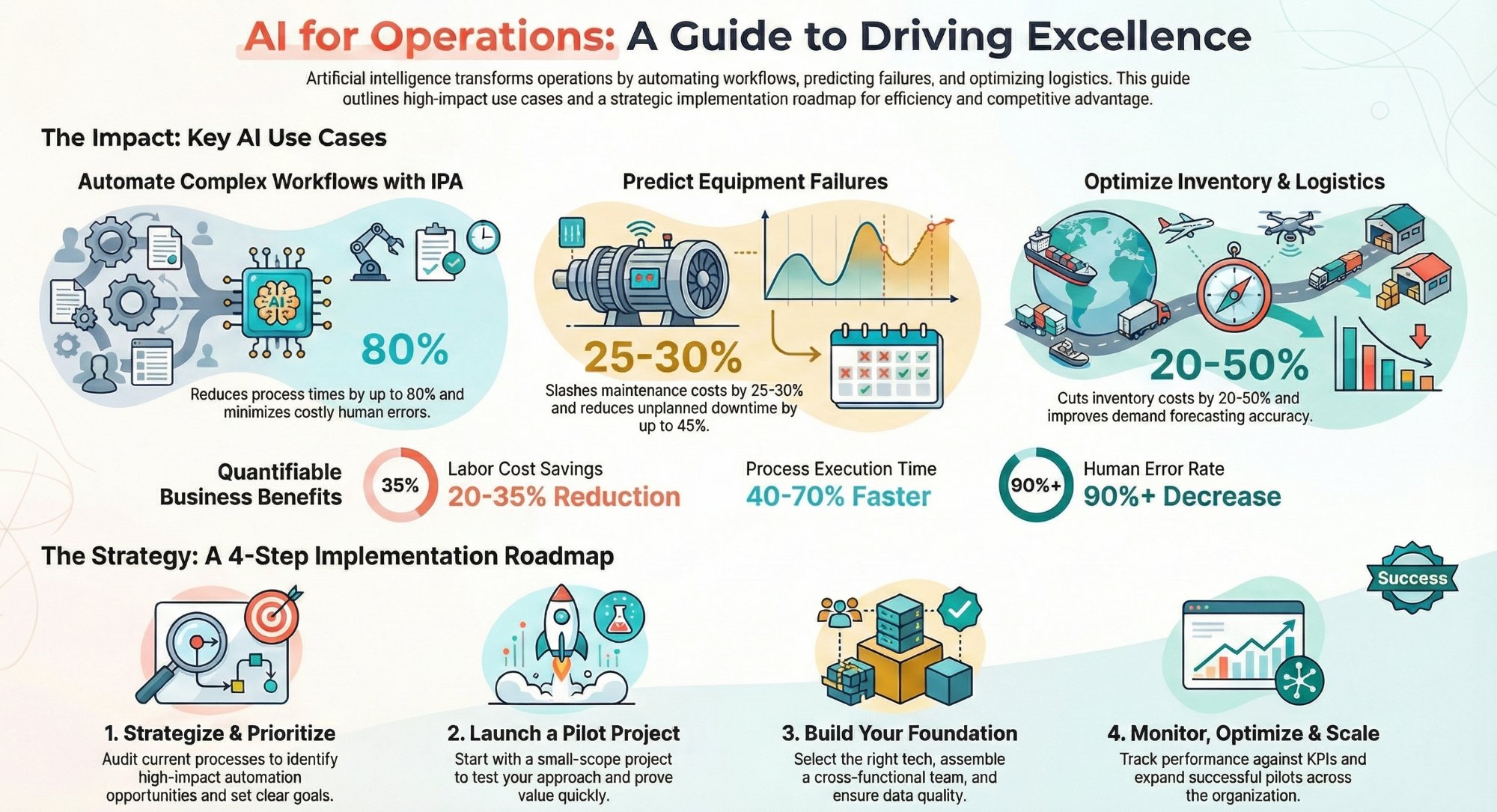
AI and automation use cases for operations teams
The operational workflows that reclaim hours every week across the business.
Read the guide →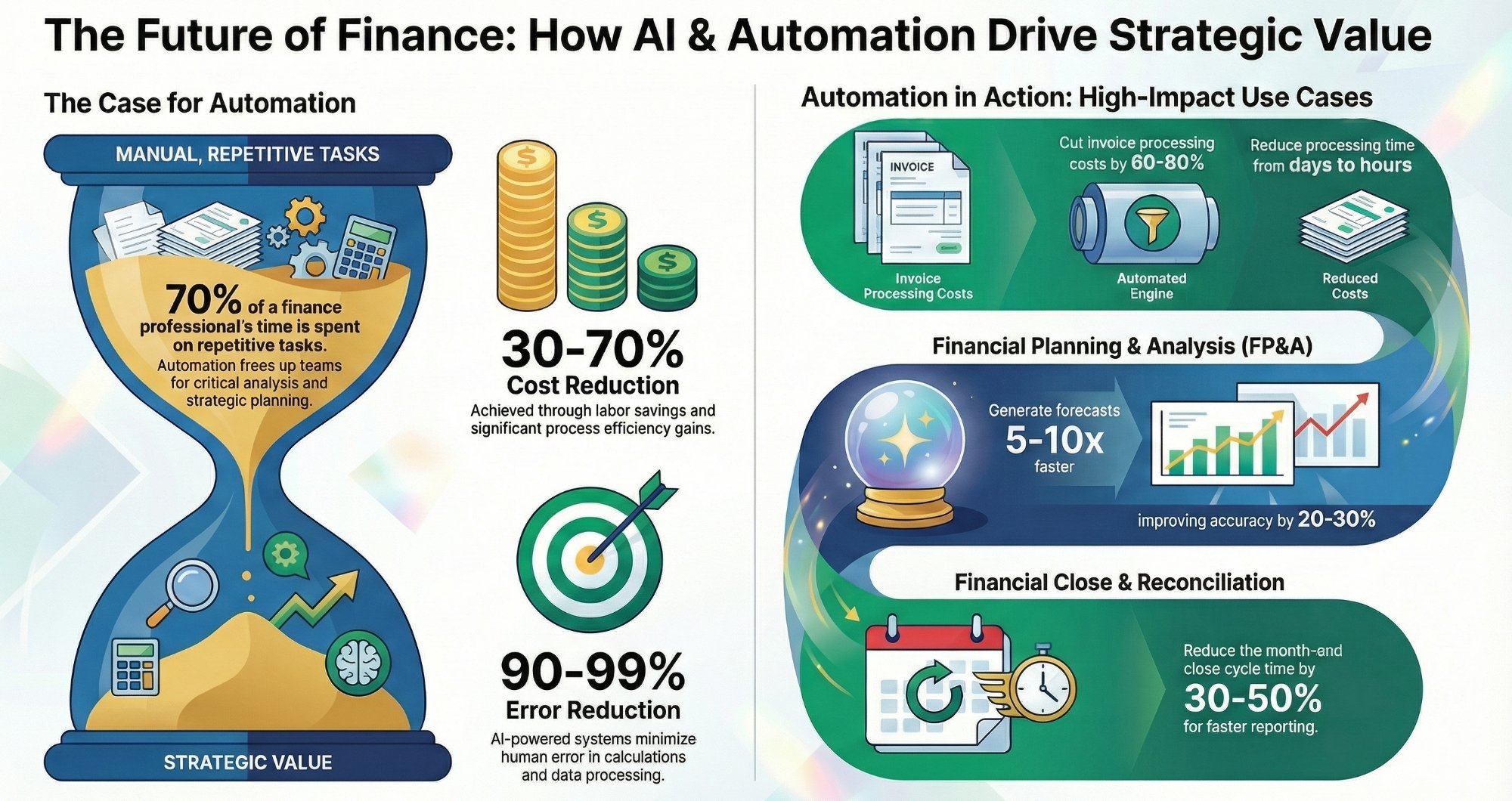
AI and automation use cases for finance teams
Where AI tightens reporting, forecasting, and the close for finance teams.
Read the guide →
The Automation stage, built for you
See what this looks like at full scale: your sales and marketing stack connected, the busywork gone.
See the offer →Want your automation stack built for you?
Book a free 30-minute strategy call. We will map your highest-ROI workflows and give you a build roadmap on the spot. If we are not the right team for you, we will say so and point you somewhere better.
Book a Free Strategy Call →Free 30-minute call. Honest take, even if that means "you do not need us yet."