Production AI, shipped, not prototyped.
IV Consulting designs and builds production AI systems: retrieval over messy enterprise data, agents that run unattended, computer vision and biometrics, and LLM integration layers inside existing products. Our team brings three decades of combined engineering experience delivering enterprise-grade systems across healthcare, financial services, geospatial intelligence, biometrics and enterprise data platforms, including work deployed on national infrastructure. Everything is built inside your repos and your cloud, documented, and handed over.

Systems built, ordered hardest first.
Each of these is an enterprise production system, not a demo, and several run on national-scale infrastructure. The line that matters on every one of them is "the hard part", because that is usually what a proposal leaves out and an interview asks about. Every card carries two numbers: what the full enterprise build takes, and the smaller first version we would start with. Most engagements begin at the second one and grow from there. Ranges are indicative and firm up after one scoping call.
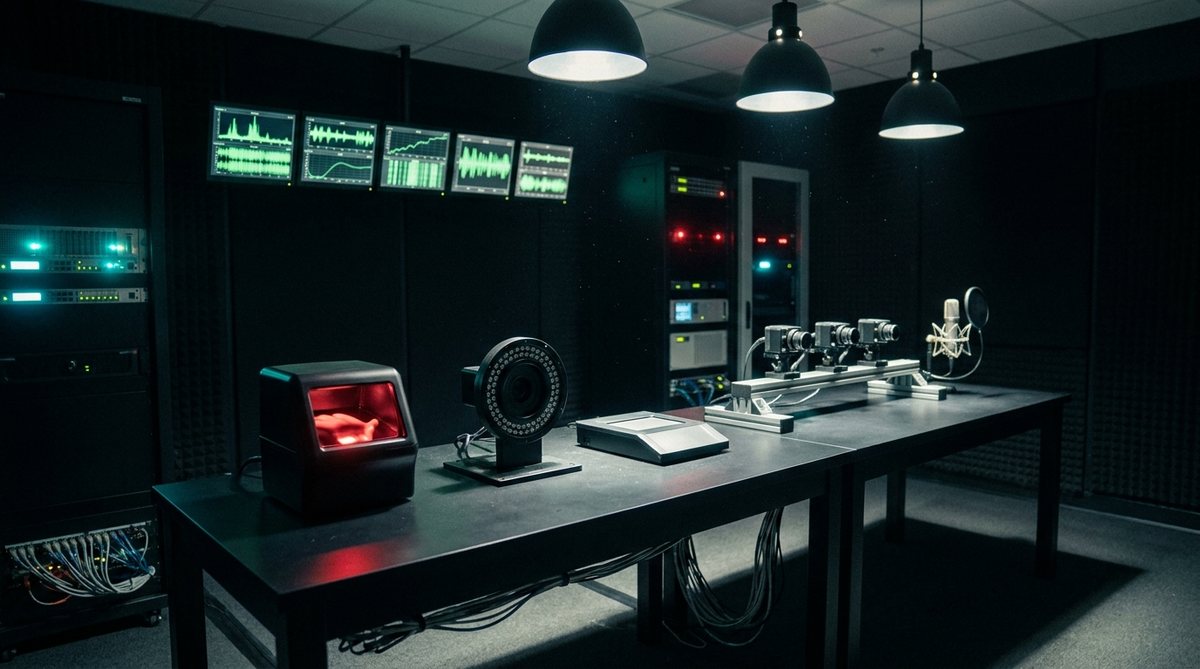
Multimodal biometric verification
Five modalities researched and engineered in parallel: palm vein, iris and eye socket geometry, fingerprint, face, and speech. Each with its own sensor input, model architecture and accuracy-to-latency tradeoff, fused into a single identity decision with a defensible confidence score.
The hard partFusion. Five models that each look accurate alone will disagree on the same person, and the fusion policy decides whether you get false accepts or angry users.

Face recognition at national scale
A recognition pipeline built from first principles rather than wrapped around a vendor SDK: detection, alignment, embedding and one-to-many matching, tuned to hold accuracy at airport throughput and commercialised into a national biometric identity programme.
The hard partPrecision does not survive gallery growth. Matching one face against a thousand is a different engineering problem from matching against millions.
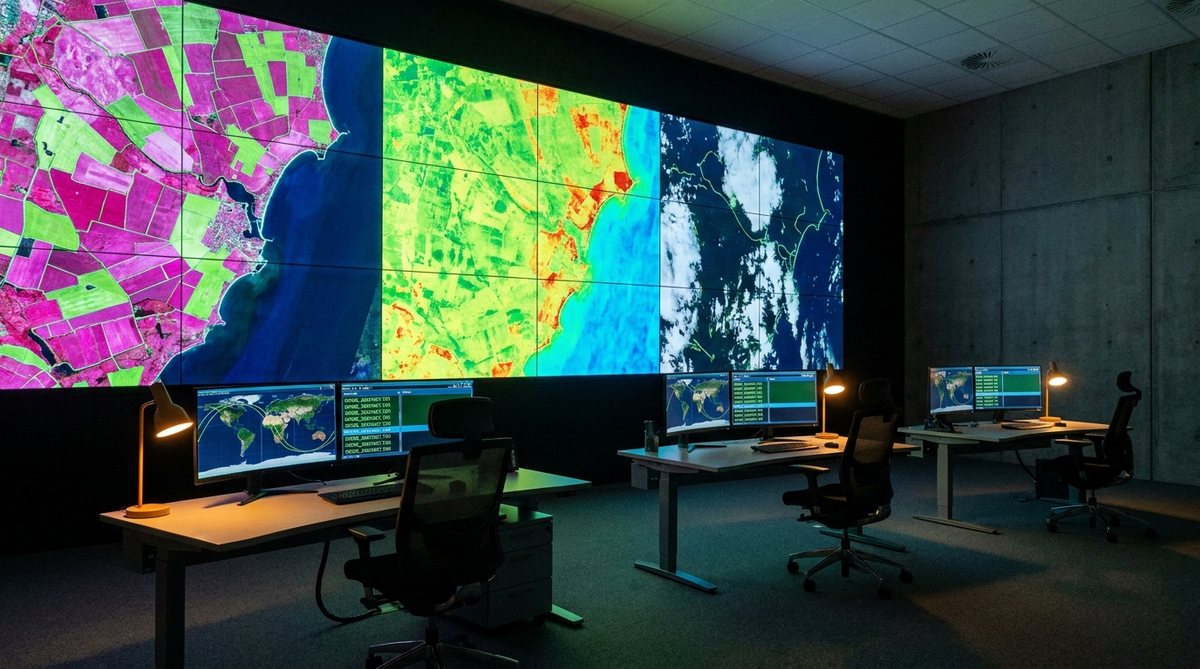
Geospatial and satellite intelligence
Satellite imagery ingestion pipelines, feature extraction across multi-spectral bands, and analytical models that turn raw scenes into decisions a non-specialist can act on. The platform architecture was the technical foundation behind a $1M seed round.
The hard partThe data lies. Cloud cover, revisit gaps and calibration drift quietly corrupt a model that looked fine on the training scenes.
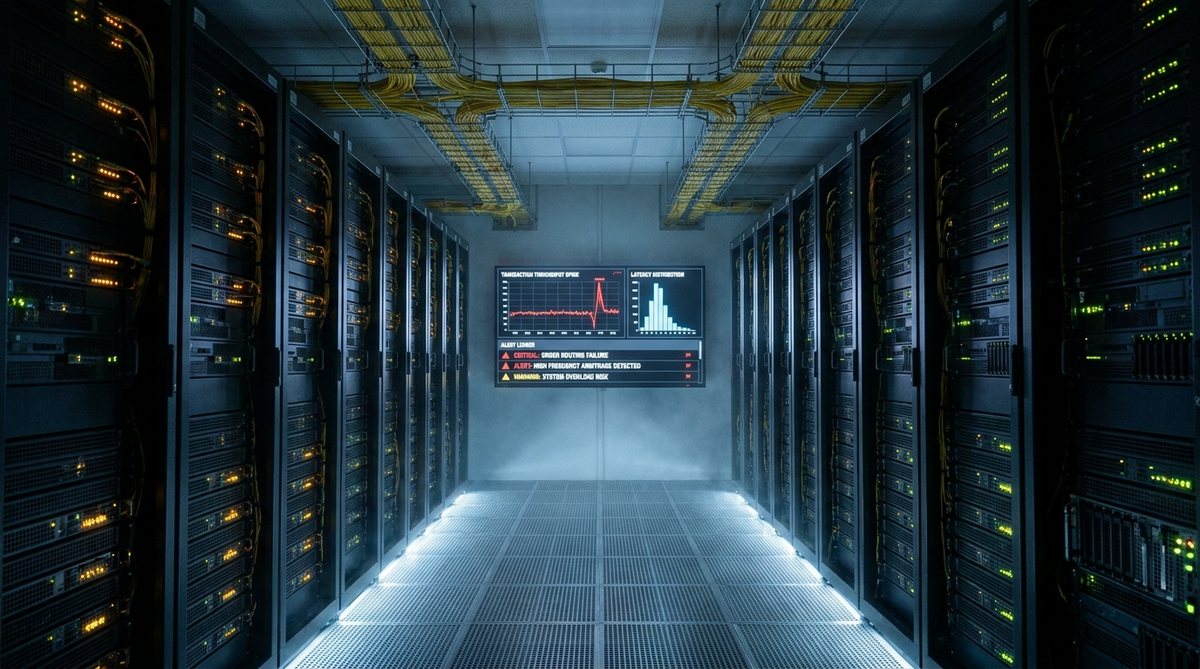
Anomaly detection at exchange scale
High-throughput fraud and anomaly detection on national financial infrastructure, processing large transaction streams in near-real-time with statistical detection and pattern recognition. An LLM reasoning layer now sits on top, explaining each flagged event in context and ranking it for human review.
The hard partThe false-positive budget. At exchange volume, a detector that is 99 percent precise still buries the analyst team every morning.
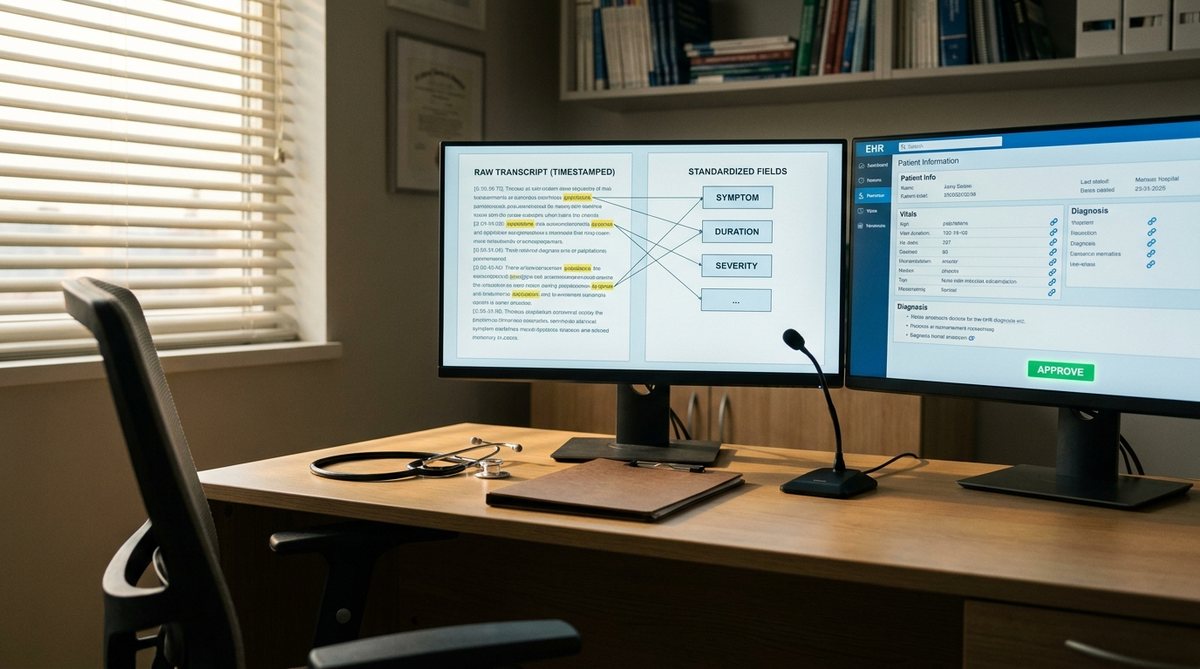
Clinical documentation, end to end
Live doctor and patient audio converted into structured clinical documentation with no manual transcription step: speaker diarisation, clinical-vocabulary transcription, and a structured extraction layer mapping conversation segments to standardised fields. Built to HIPAA documentation standards with EHR integration.
The hard partProvenance. Every extracted field has to link back to the line that produced it, or no clinician will sign it and no auditor will accept it.

Real-time video analytics
Object detection, activity recognition and event triggers running on live camera feeds at frame rates that make the output operationally useful rather than forensic. Delivered as commercial products inside an AI practice built from zero to 3 crore INR in annual revenue.
The hard partReal cameras. Bad lighting, occlusion, and lenses nobody has cleaned in a year destroy models that scored well on clean benchmark footage.
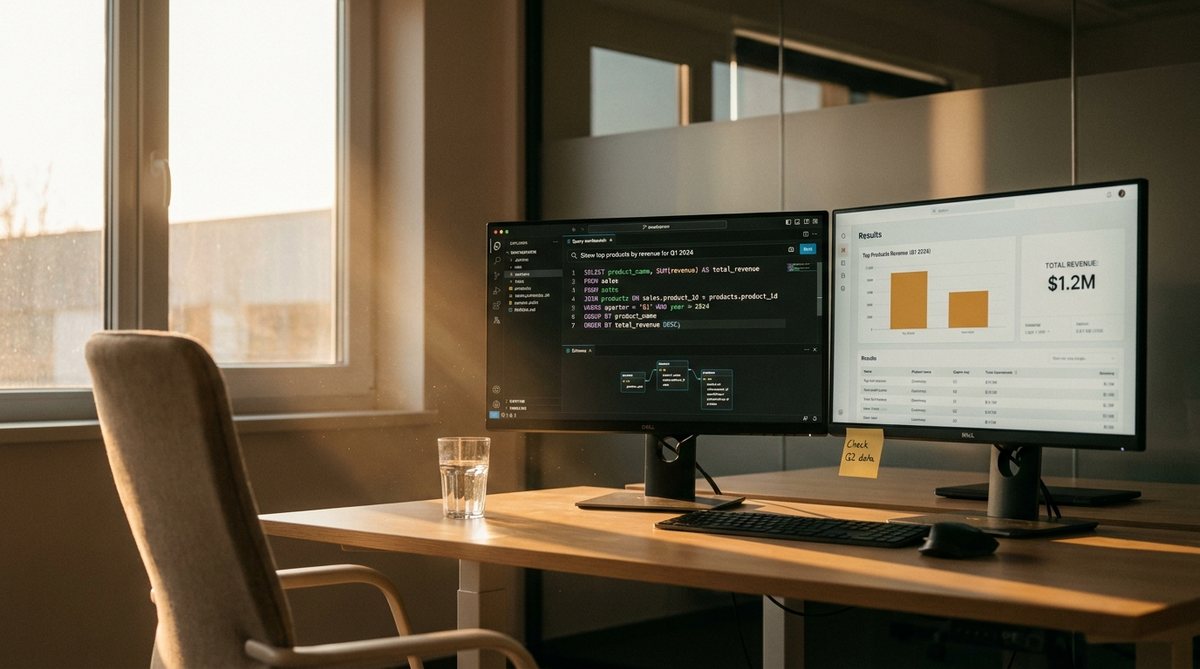
Retrieval-augmented text to SQL
A production RAG system letting business users query complex multi-schema databases in plain English. Semantic understanding of intent, schema-aware SQL generation, and a retrieval layer grounding generation in the real table structure and historical query patterns. Reporting turnaround went from days to seconds.
The hard partHallucinated schema. Ungrounded generation invents plausible column names and invalid joins, and the query still runs, which is worse than failing.
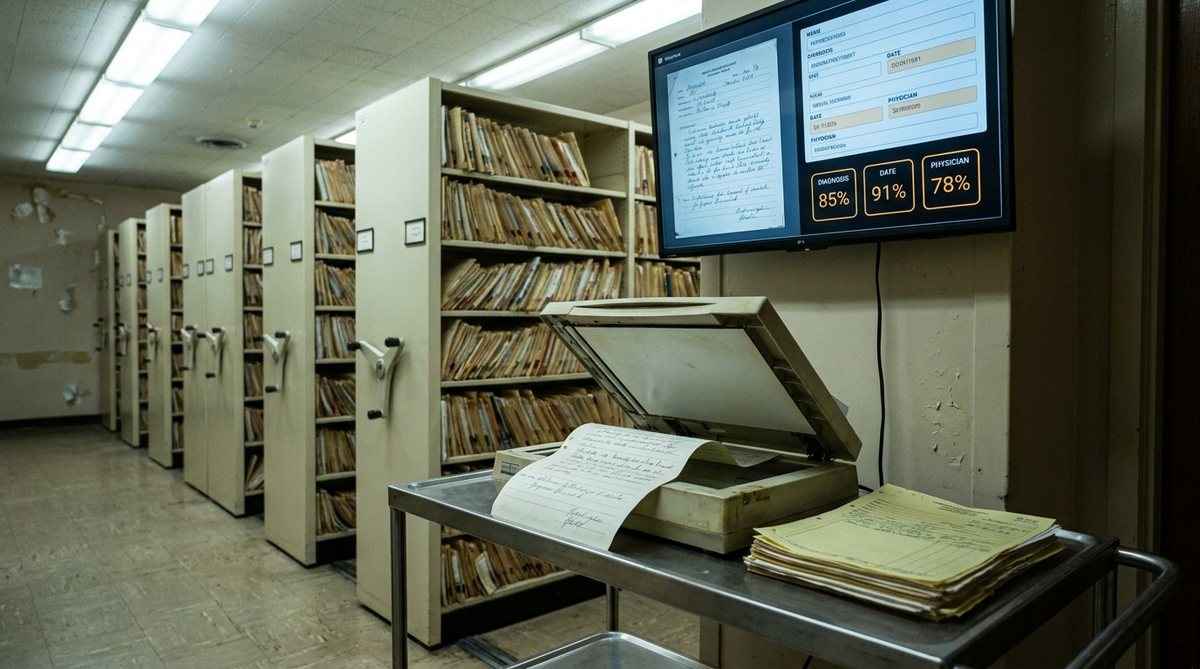
OCR and document imaging pipelines
Handwriting, scans, forms and medical imagery turned into clean structured fields. Started as foundational OCR for handwritten clinical documents and scaled into digital image processing pipelines, becoming a reusable internal practice across subsequent healthcare engagements.
The hard partThe worst ten percent. Average accuracy is easy and irrelevant; trust is decided by how the system handles the documents that are genuinely bad.
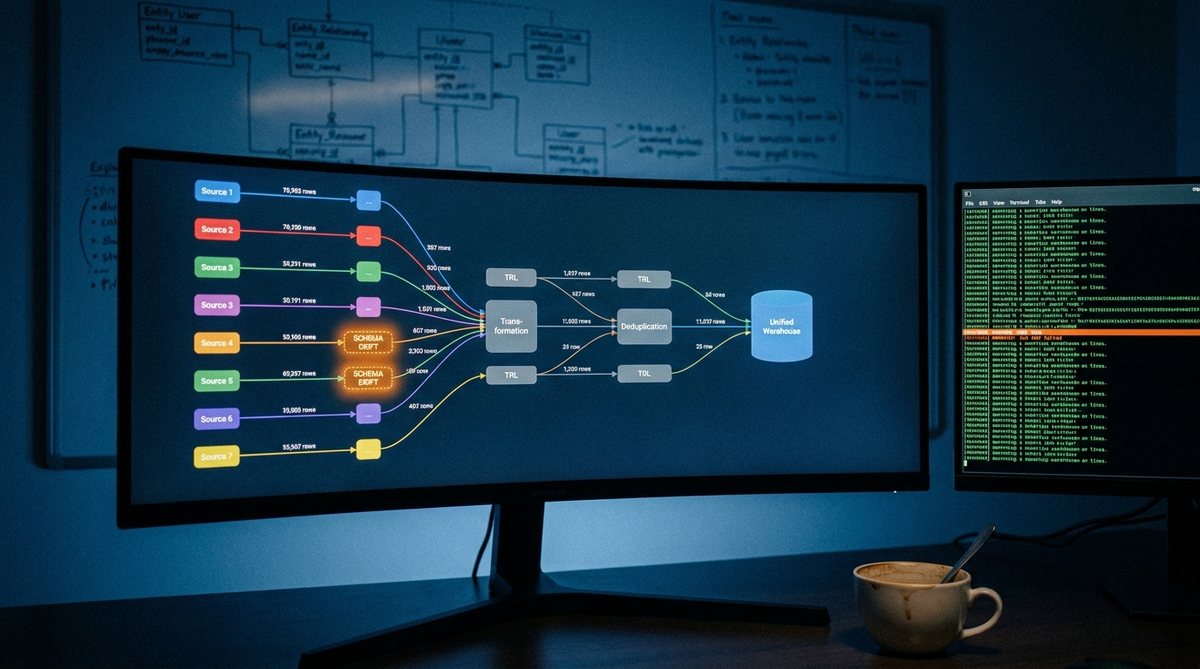
Enterprise data harmonisation
Disparate sources reconciled into one analysable layer across a multi-year engagement: schema mapping, deduplication, entity resolution, and pipelines feeding analytics and measurement infrastructure, with insight layers clients could act on directly.
The hard partUpstream systems change shape without telling you. Pipelines that assume a stable schema fail silently and corrupt months of reporting before anyone notices.
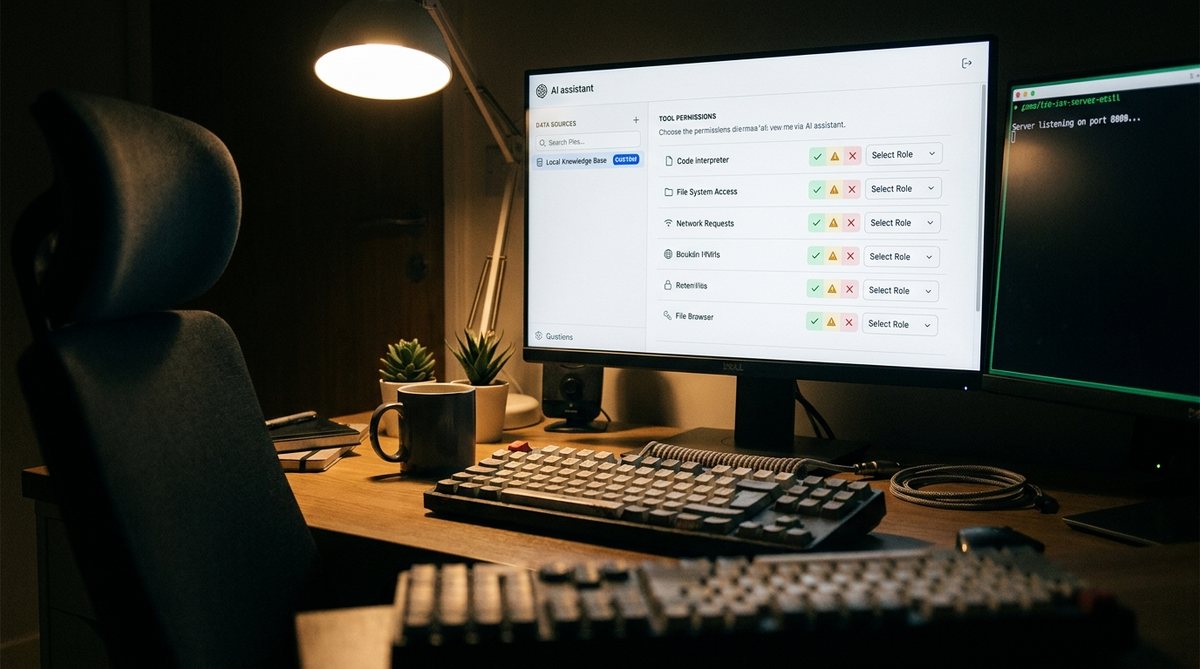
MCP servers and Claude-native products
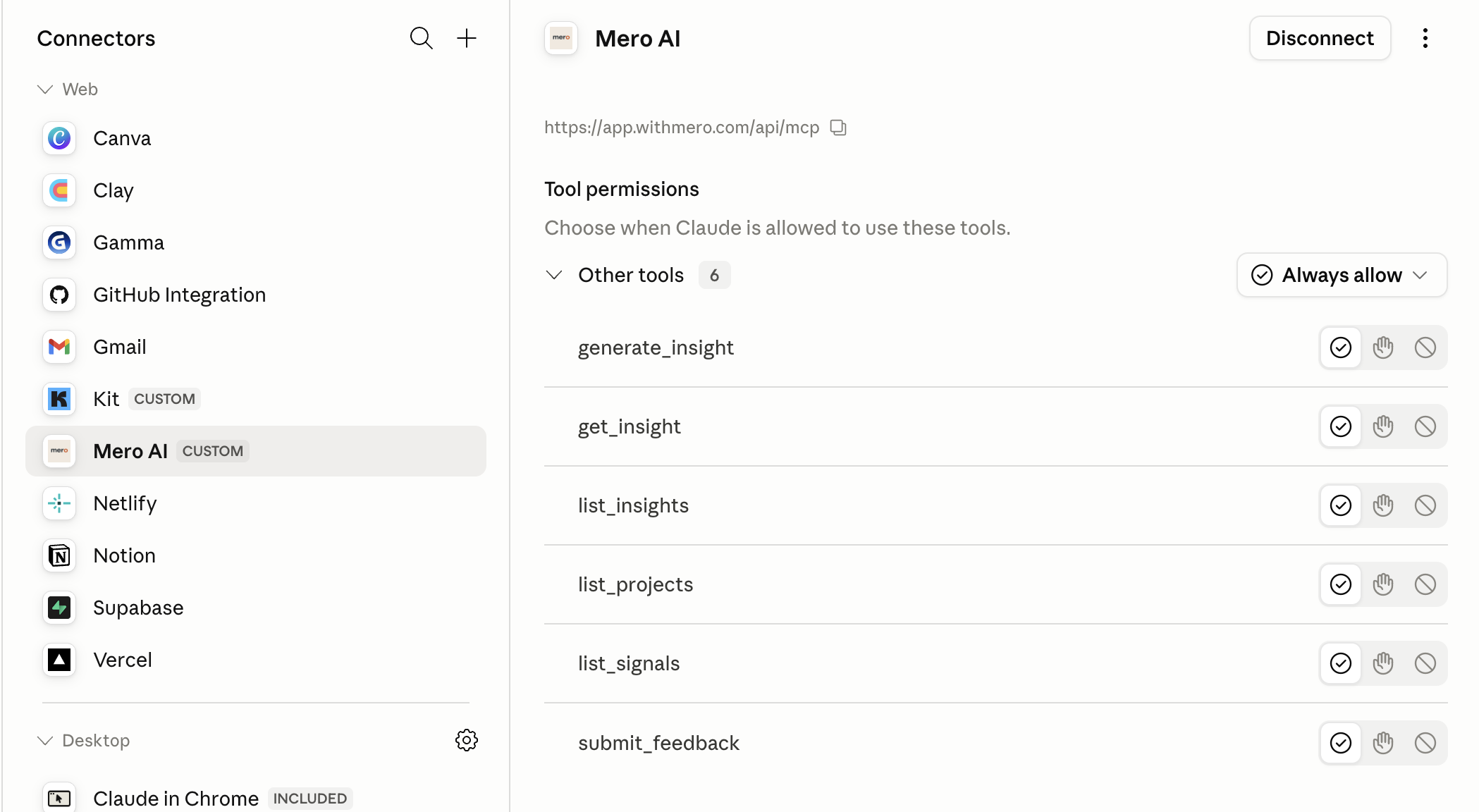
Products exposed to Claude as callable tools through a Model Context Protocol server, with per-tool permissions approved individually and deployment into the client's own cloud. Shipped and running in production for our own product, Mero AI, alongside its public REST API and docs.
The hard partScope design. A tool surface that is too broad is a security problem, and one that is too narrow makes the agent useless.

Contract and policy intelligence
Long-context review that holds a whole agreement in memory rather than sliding a window over it, flags clauses that deviate from a standard position, explains the deviation, and quotes the paragraph it is referring to.
The hard partCitation discipline. A summary that cannot point at the clause it came from is an opinion, and legal teams will not act on it.
Things we built and run ourselves.
Client work is easy to describe and hard to verify. These are our own products, live, with the infrastructure behind them visible.
Mero AI
An AI product-decision partner, designed and shipped end to end: a full web app, native integrations, a documented public REST API, developer docs, and an MCP server deployed to the cloud. The screenshot shows Mero registered as a custom connector inside Claude, with its tools and per-tool permissions live. Built with Claude Code and Cowork from an empty repo through to production.
Cowork routines in production
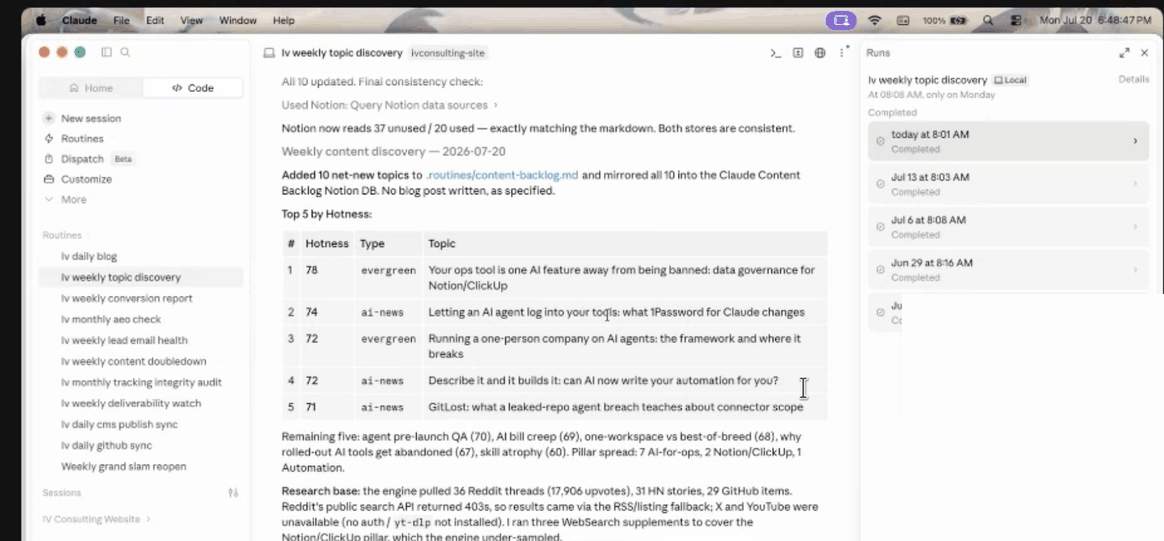
Eleven named routines running on a schedule against our own repositories and content pipeline, with a run history that has completed every morning and an agent editing files directly in the repo. This is what "runs unattended" looks like once it is real: retries, guardrails, and a log you can audit.
Token spend instrumentation
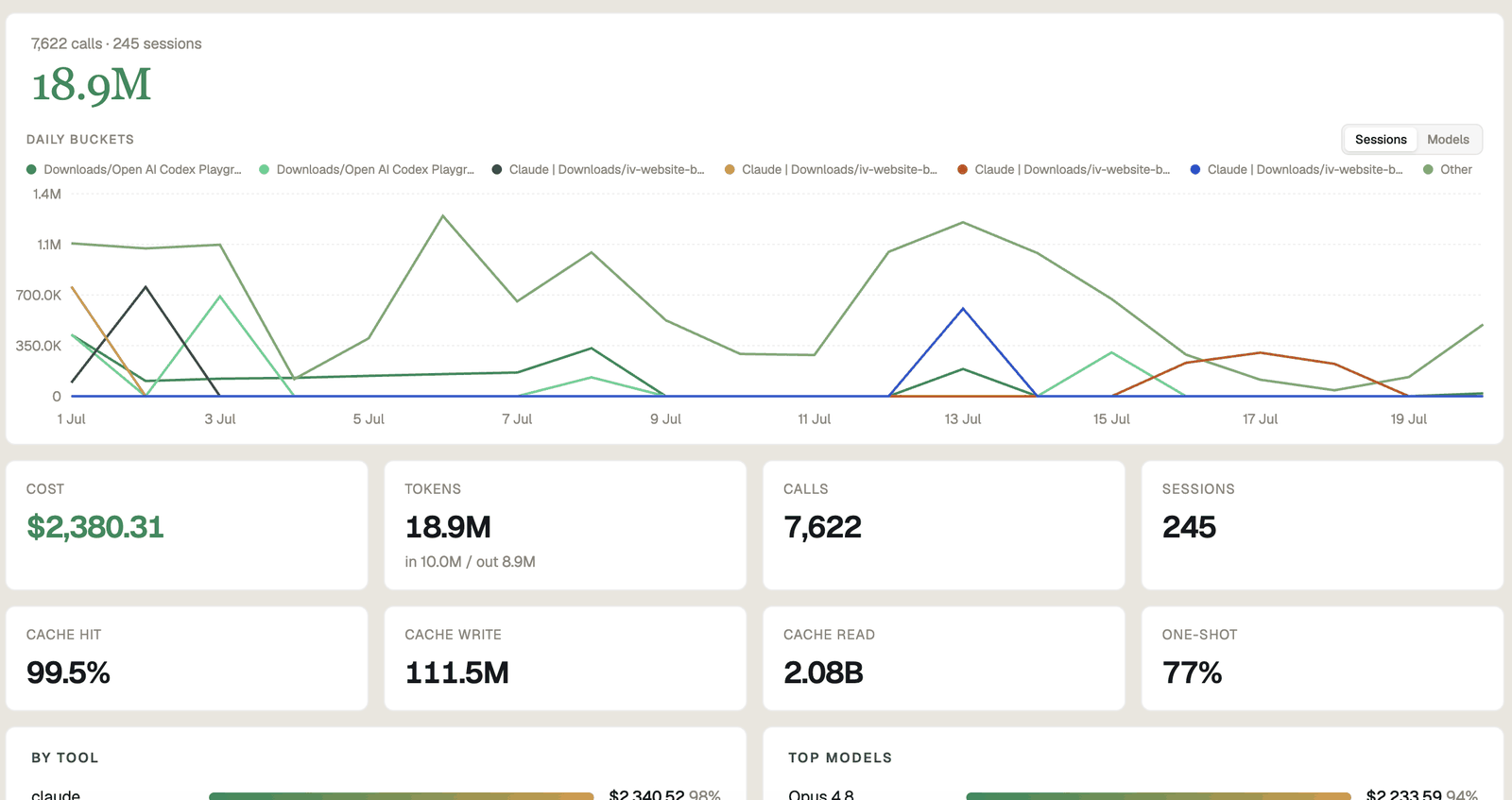
Our own LLM spend, instrumented the way we instrument a client's: cost and tokens broken down by day, by tool and by model. The number worth reading is the cache hit rate at 99.5 percent across 2.08 billion cached tokens, which is the difference between a manageable bill and a runaway one.
What we work with.
LLM and GenAI
RAG pipelines, chunking and embedding strategies, vector search, grounded generation, structured outputs, tool and function calling, agent design, prompt engineering for production, evaluation harnesses and guardrails, prompt-injection hardening, Claude API, Claude Code, Cowork, MCP servers, OpenAI.
Data and retrieval
Text to SQL over multi-schema databases, schema-aware generation, entity resolution, deduplication, enterprise data harmonisation, ingestion pipelines, analytics layers, and the monitoring that catches upstream schema drift before it reaches a report.
Computer vision and biometrics
Object detection, activity recognition, real-time video processing, medical imaging, OCR for handwritten documents, satellite and multi-spectral imagery, plus custom-trained face, palm vein, fingerprint, iris and eye socket recognition with multimodal fusion.
Speech and audio
Clinical transcription with domain vocabulary, speaker diarisation, speech biometrics, and voice agents wired into telephony and scheduling.
Risk and scale
High-throughput anomaly and fraud detection, near-real-time transaction monitoring, statistical detection with an explanation layer, and latency and false-positive budgets treated as first-class design constraints.
Delivery
Python and Node.js, REST API design and documentation, cloud deployment, production monitoring and alerting, cost instrumentation, plus written handover, house conventions and team training. We work inside your repos and your accounts.
A note on how to read this: the work above spans our team's careers, including engagements delivered in prior roles at other firms. Where a system is our own product we have said so explicitly. We would rather tell you which is which up front than have it come up later.
Tell us what you are building.
Send the problem rather than the spec. We will tell you what we would build first, roughly what it takes, and whether we are the right team. If we are not, we will say so.
Book a call →